Route 1: Tuscany Hills & Hidden Villages
Most people think Tuscany means Florence and Pisa. And yes, they’re amazing—but they’re also crowded, touristy, and full of selfie sticks. If you want Tuscany that whispers instead of shouting, head for the hills.
Start in Siena, the medieval town with its famous piazza, Il Campo. Don’t just sit in the square. Wander the narrow cobbled streets that wind uphill like they were designed by someone with a secret map. Pop into a tiny bakery, grab a panino, sit on a stone bench, and watch the sunlight hit the terracotta rooftops. You’ll see life here moves slower, more deliberate.
Then drive or bike to San Gimignano, but skip the main tower-filled streets for the small lanes behind them. There are olive groves, small wineries, and even a few abandoned chapels that feel like you stumbled into a movie set. Talk to locals, if you can. They love sharing stories, recipes, history—sometimes just complaining about tourists, in a charming way.
Next, head to Pienza, the cheese town. Pecorino is king here, and sampling it while sitting on the walls of the old city is pure bliss. The countryside around Pienza feels like a painting—rolling hills, cypress trees, golden fields, scattered farmhouses. Stop wherever you want. Take a wrong turn. Trust me, every wrong turn here is worth it.
Tuscany is a place you taste, not just see. And this route? It’s a feast for all senses. Don’t rush. Let it breathe over you.
Route 2: Southern Italy – Amalfi Coast & Beyond
Italy isn’t just about art and wine. It’s also about sun, cliffs, and sea. Southern Italy gives you that in spades.
Start in Naples, chaotic, noisy, and full of life. The pizza here isn’t pizza—it’s a religion. Get yourself a Margherita from a tiny shop that looks like it could fall down any second. Eat it standing, on the street, with locals brushing past. This is Naples—messy, vibrant, alive.
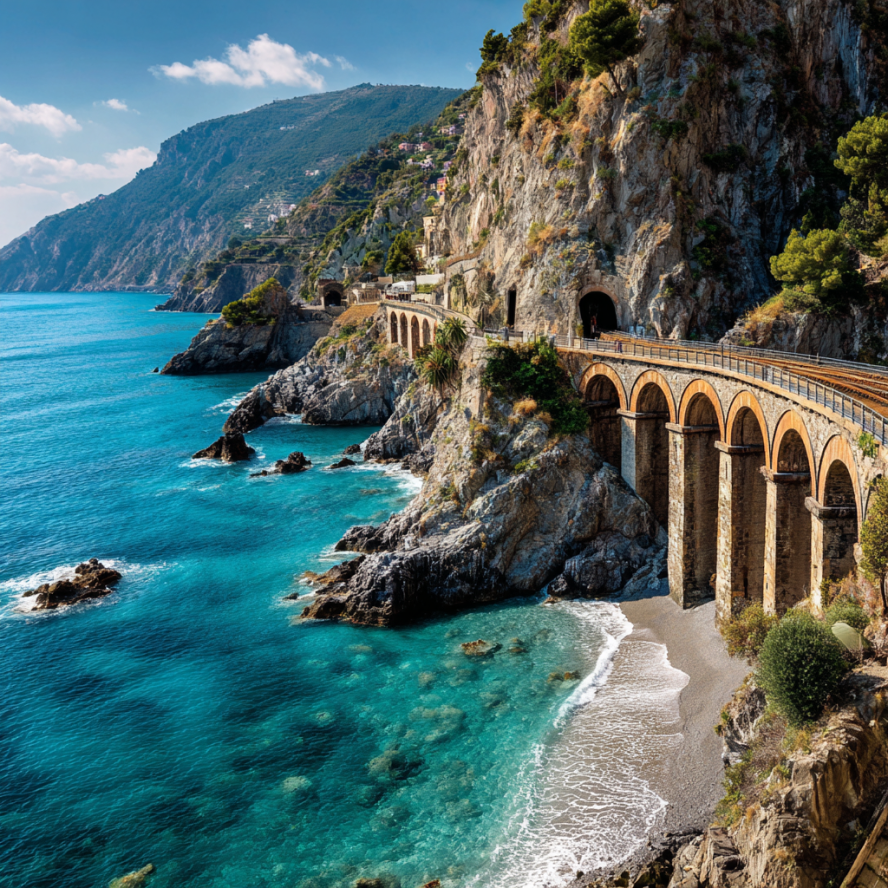
Then hit the Amalfi Coast. Drive the road if you dare—steep cliffs, hairpin turns, and jaw-dropping views of the turquoise sea. Stop in Ravello, a town that seems to float above the ocean. Gardens, old villas, lemon trees everywhere—you can almost smell the sunshine. The vibe here is slow, reflective, a little magical.
But don’t just stick to the Amalfi Coast towns everyone photographs. Head to Praiano, quieter, cozier. Walk the cliffs, watch the waves crash below, and sit in a little cafe with a cappuccino. Maybe strike up a conversation with a local fisherman or someone selling limoncello.
Finally, swing over to Paestum, ancient Greek ruins tucked away near the sea. Less famous than Pompeii, but somehow more powerful—three massive temples standing still after thousands of years. It’s easy to imagine the people who lived here, the markets, the festivals, the sun setting on their lives. This southern route mixes history, sea, and food in a way that makes you feel like you’re living a story, not just visiting a place.
Route 3: Northern Italy – Lakes, Alps & Hidden Towns
Up north, Italy changes again. The Alps rise high, the lakes glitter, and towns feel like storybooks. This route is slower, quieter, more reflective, perfect for wandering and getting lost.
Start with Lake Como. Most people stick to Como or Bellagio, which are gorgeous but often crowded. Try Varenna or Menaggio instead—smaller, less polished, more real. Sit by the water, rent a little boat if you can, watch swans glide past, and let the mountains reflect on your mood.
From the lakes, head to Bergamo, a town with layers. The Città Alta (upper town) is medieval, charming, with cobbled streets and old stone buildings. Take a stroll with no destination, peek into tiny shops, sip espresso at cafes where no one speaks English, and let the town’s rhythm sink in.
Then venture into the Dolomites. This is where Italy feels wild and untamed. The mountains here aren’t just scenery—they demand attention. Hike a trail, even a short one, and feel the wind, the smell of pine, the sharp edge of the rocks. Stay in a small mountain inn, try local speck or cheese, and wake up to mist rolling down the valleys.
Finally, finish in Verona, but skip the crowded Juliet’s balcony. Instead, wander the streets, discover little piazzas with no tourists, sit by the river, watch Italians live their evening life. This northern route mixes lakes, mountains, history, and quiet towns that stay in your memory long after you leave.
Tips for Traveling These Routes
Rent a car if you can. Many hidden gems aren’t reachable by train or bus.
Talk to locals. Even a few words in Italian go a long way.
Be ready for surprises. Some streets might be closed, cafes might be empty, or you might stumble on a festival. That’s the magic.
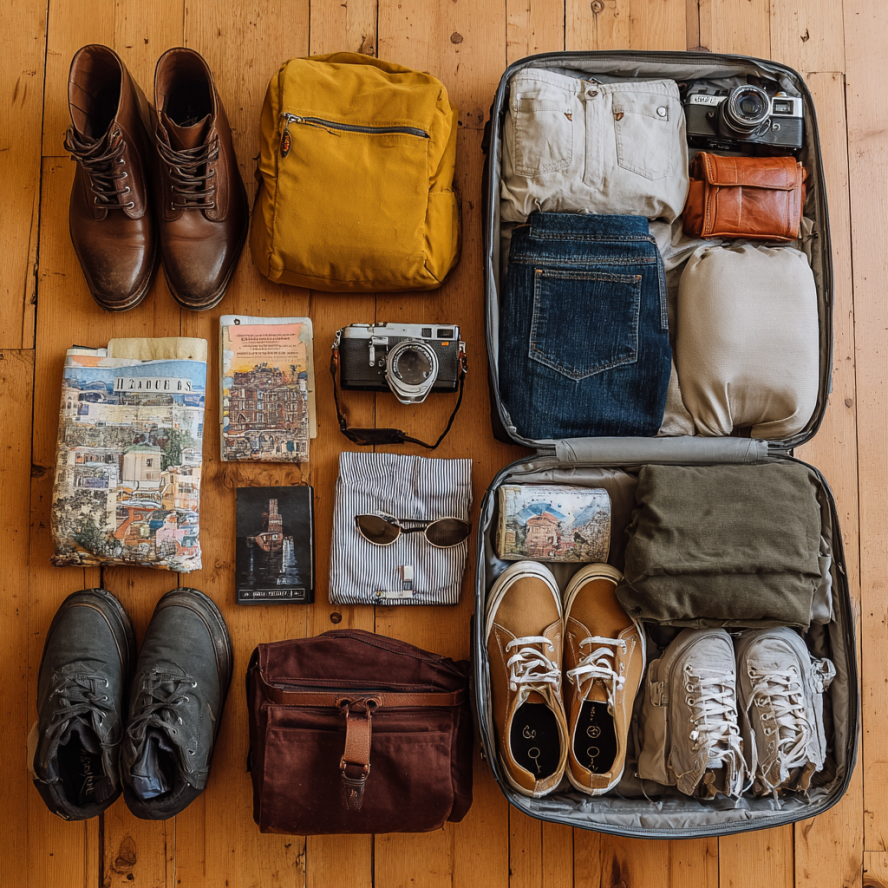
Pack light but smart. You’ll be climbing cobblestones, walking hills, navigating alleys, so comfy shoes are a must.
Don’t rush. These routes are about savoring moments, not ticking boxes.
Why These Routes Matter
Italy isn’t just a checklist. It’s layers of culture, history, and life that reveal themselves when you slow down. Each of these three routes—Tuscany, Southern Italy, and Northern Italy—offers a different slice of the country. They’re real. They’re lived-in. They make you laugh, sigh, stumble, and maybe fall a little in love with Italy.
Rome and Venice are great, yes. But if you only see them, you miss the quiet magic, the hidden cafes, the twisting alleys, the sunsets over hills and lakes that no picture can capture. That’s what these routes are for—guiding you into Italy that isn’t in every guidebook, that doesn’t show up on every Instagram feed.
Travel in Italy is like a conversation with the past, present, and future all at once. It’s messy, joyful, a little unpredictable, and always beautiful. Follow these three routes, but leave room for your own detours. Get lost, take wrong turns, stop where you want. Taste everything. Talk to everyone. Let the country surprise you.
Because the real Italy isn’t in the postcards or the famous sights. It’s in the streets you wander, the meals you eat, the hills you climb, and the towns you fall in love with along the way.
So pack your bag, grab your map (or just your curiosity), and go. Italy is waiting, in ways you’ve never imagined.