Route 1: Ancient Villages in the Mountains
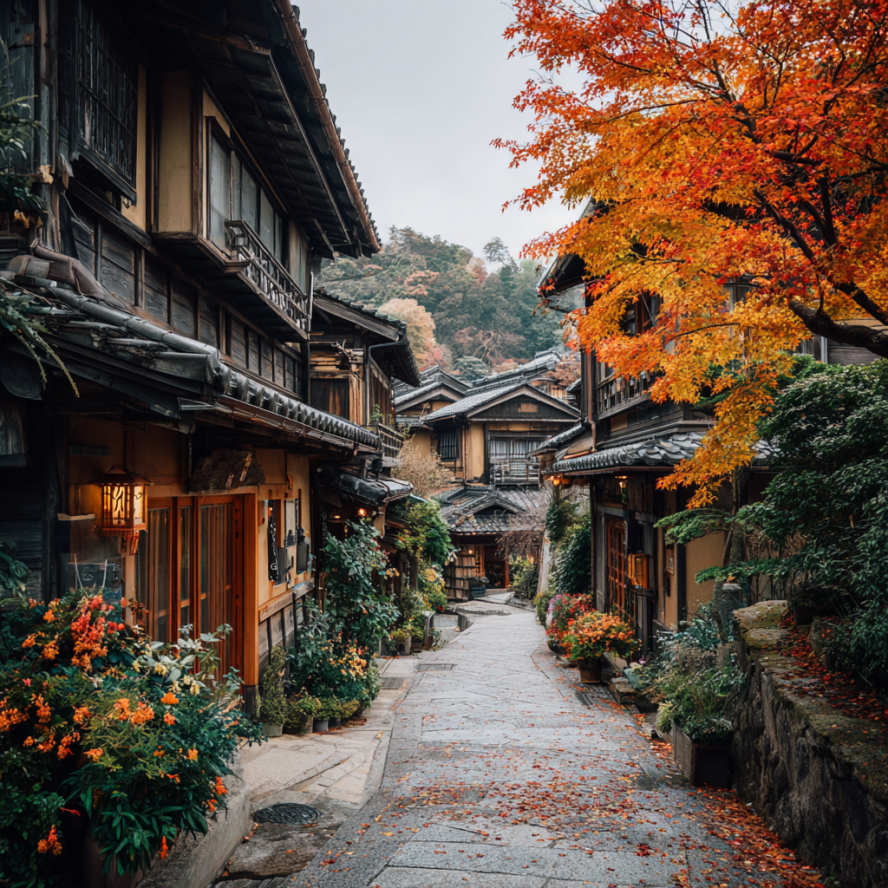
Start with Takayama, a town in the Japanese Alps. It’s small, charming, and somehow untouched by time. Wooden houses line cobblestone streets, and morning markets fill the air with smells of fresh vegetables, herbs, and local sweets. There’s a calmness here that Tokyo can never offer. Walk slowly, peek into the tiny shops, try the Hida beef if you can, and don’t rush—really don’t.
A few hours away is Shirakawa-go, famous for its gassho-zukuri farmhouses. They look like they came straight out of a storybook, steep thatched roofs reaching for the sky. In winter, the snow piles up and the village becomes magical; in summer, the green hills hug every house. Staying overnight in one of these farmhouses is like stepping into a different era—no phones, no distractions, just the quiet rhythm of village life.
Route 2: Coastal Towns & Hidden Islands
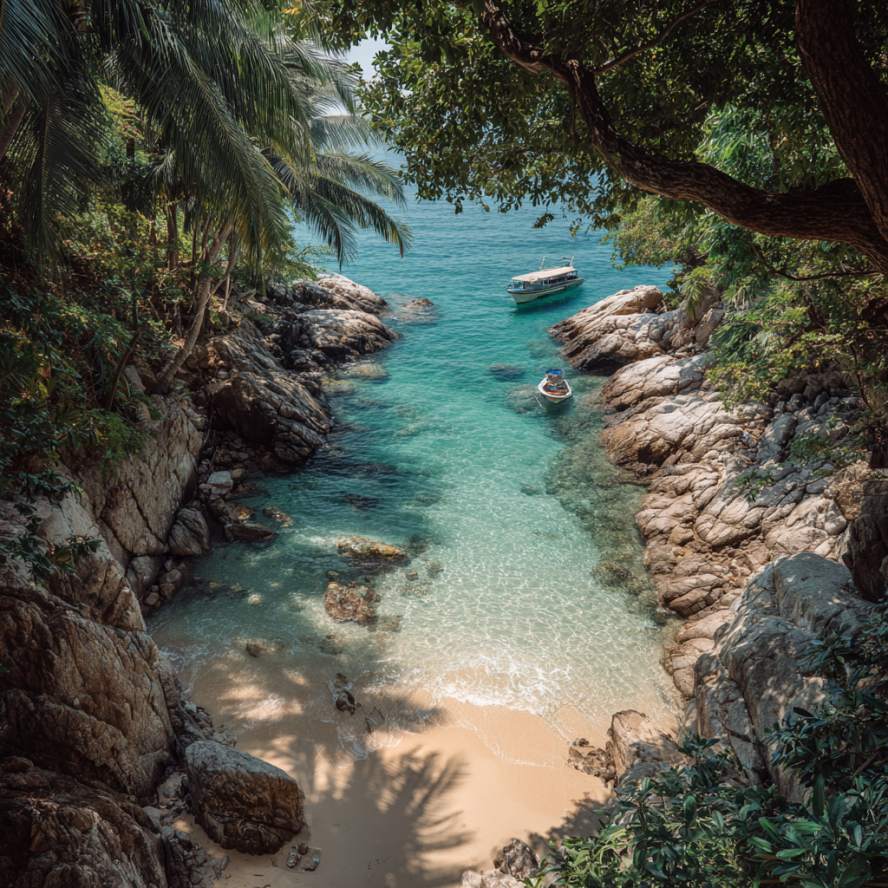
Japan isn’t just mountains. Head to Izu Peninsula south of Tokyo. Tiny fishing villages hug the coast, and hot springs bubble in unexpected places. Shimoda has quiet beaches, local seafood markets, and a sense of calm that makes you wonder why everyone isn’t here already.
From there, hop to Naoshima, the art island in the Seto Inland Sea. Minimalist architecture meets modern art installations in a way that’s somehow still peaceful, not touristy. Rent a bike, cycle along the coast, and stop at a small café overlooking the sea. Local art, quiet walks, the smell of the ocean—you’ll remember this part long after Tokyo fades in your memory.
Route 3: The Spiritual Heart – Hidden Shrines & Temples
Japan’s shrines and temples aren’t just for show—they’re living pieces of culture. Koyasan, in Wakayama Prefecture, is one of the most spiritual spots in the country. Monks still chant, incense floats in the air, and hundreds of stone lanterns line the paths. Staying overnight in a temple lodging (shukubo) gives you insight into the daily life of monks. Wake up early, join the morning prayers, sip green tea, and feel the quiet strength of centuries-old tradition.
Another gem is Kurama near Kyoto. A short train ride into the mountains takes you to this peaceful village. The Kurama-dera temple is surrounded by forest, with trails leading up to the mountains where you can hike and see the city disappear below. Locals whisper about the mystical energy of the place, and you kind of feel it. The air smells like cedar, the paths wind unpredictably, and suddenly you understand why travelers keep coming back.
Tips for Exploring Hidden Japan
Rent a bike or car where possible. Many towns and islands aren’t easily reached by train.
Learn a few Japanese phrases. Even just “hello,” “thank you,” and “excuse me” opens doors and smiles.
Stay overnight in smaller towns. Ryokans and minshukus (traditional inns) give experiences that big hotels can’t.
Try local food. Every town has its own specialty—seafood, noodles, sweets, even pickles.
Go early or late. Hidden spots are often empty in the morning or evening, letting you breathe and take photos without crowds.
Why This Japan Is Special
Tokyo dazzles, yes. But hidden towns and shrines show the soul of Japan. You see how people live, how history persists, how nature and culture coexist. A quiet village street, a moss-covered temple, a local festival that only a handful of people attend—these are the moments that stick.
And it’s not just about the sights. It’s the rhythm of life: the smell of incense, the sound of cicadas in the mountains, the way sunlight hits a temple gate, the laughter of children in a small town. These things you can’t schedule, can’t photograph perfectly, can’t get from any guidebook. You experience them, and they stay with you.
Cultural Highlights Off the Beaten Path
Festivals in small towns: Often, only locals participate, but you can join in and see dances, music, and rituals untouched by tourists.
Crafts and workshops: From pottery in Mashiko to indigo dyeing in Tokushima, hands-on experiences are everywhere.
Seasonal beauty: Cherry blossoms, autumn leaves, or winter snow—timing changes everything. Plan for a season that resonates with your vibe.
Hidden Food Adventures
You don’t need a Michelin star to eat well in Japan. Some of the best meals are at roadside stands, small cafés, or markets. Try:
Hida beef skewers in Takayama
Seafood bowls in coastal towns
Matcha sweets in Kyoto backstreets
Pickled vegetables in small shops in mountain villages
Food is the culture, really. And tasting it in small towns makes it unforgettable.
Exploring Japan beyond Tokyo is about slowing down, noticing, wandering, and sometimes getting lost. Every mountain village, every quiet shrine, every island or coastal town is a story waiting for you. This isn’t the Japan you see on postcards. It’s the one you remember, the one that sticks in your mind at 3 a.m., the one that makes you smile when someone asks, “Where did you go?”
Tokyo dazzles with speed and lights. Hidden towns and shrines whisper with history and presence. Both are Japan—but only one lets you feel it.
So, take a deep breath. Step off the train. Follow small streets, mossy paths, and unmarked trails. Talk to locals. Eat what they eat. Sleep where they sleep. Japan is waiting, and it’s more than you ever imagined.