Day 1-2: Lima – City of Contrasts
Start your journey in Lima, the coastal capital that’s equal parts chaotic and charming. Traffic jams and honking horns are the norm, but there’s a rhythm here if you pause and watch. Head to Barranco, the artsy neighborhood full of murals, coffee shops, and music spilling onto the streets. Walk the Bridge of Sighs, peek into tiny galleries, and maybe catch a live band at night.
Food in Lima is not optional—it’s essential. Try ceviche, the national pride, at a small local restaurant away from the tourist strip. The fish is fresh, the lime tang sharp, the chili kicks in just enough to wake you up. Street food also deserves attention: anticuchos (grilled beef heart skewers), empanadas, and picarones (sweet doughnuts) are everywhere if you’re brave enough to try them.
Day 3-4: Sacred Valley – Markets, Villages & Color
Next, head inland to Cusco and the Sacred Valley. Cusco itself is a city built on layers of history: Incan foundations beneath colonial Spanish walls. Take a day or two to wander, acclimate to the altitude, and explore San Pedro Market. The smells of dried herbs, roasted corn, and fresh fruit hit you instantly. Locals haggle, children weave bracelets, and street musicians play traditional flutes.
Venture out to small villages like Pisac or Ollantaytambo. The markets are vibrant, full of handwoven textiles, pottery, and alpaca wool clothing. Hike along the Inca trails, or just walk the cobbled streets and observe daily life. People here are warm and curious—say hello, ask about their crafts, and you’ll be rewarded with smiles, stories, and maybe even a taste of local chocolate.
Day 5-6: Hiking & Exploring the Andes
No Peru trip is complete without a taste of the Andes. There are options for all levels: from short day hikes to multi-day treks. If you’re short on time, consider the Inca Trail alternatives, like Salkantay or Lares treks. These trails lead through mountains, cloud forests, and small farming communities. Each step is a mix of exertion and awe.
Even the small hikes are unforgettable. You pass through terraces that have been cultivated for centuries, cross rivers, and sometimes hear only the wind and your own footsteps. Stay in a small hostel or lodge, eat hearty local meals, and let the Andes do their quiet magic.
Day 7-8: Machu Picchu – The Iconic Wonder
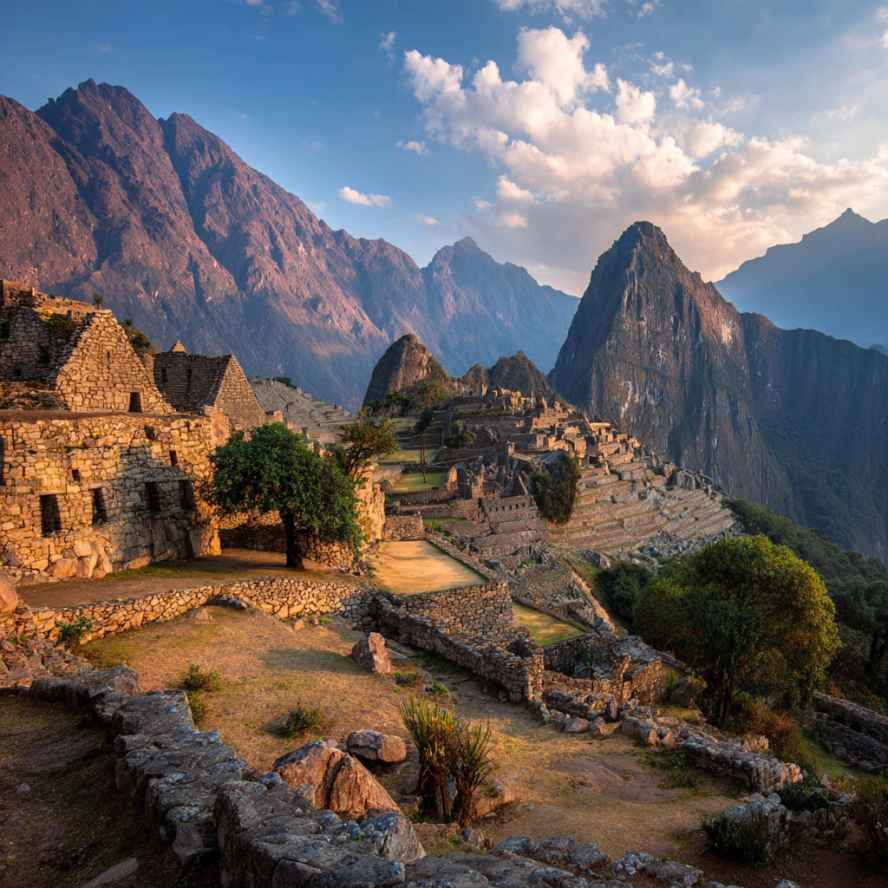
By day seven, you’re ready for Machu Picchu. But a little advice—don’t just show up. Take the train to Aguas Calientes the day before and soak in the small town’s energy. Early morning visits are best: the mist drifts over the ruins, soft sunlight hitting ancient stone walls. Avoid the crowds if you can.
Machu Picchu isn’t just about the view—it’s about the feeling. The terraces, temples, and stairways whisper history. You can wander for hours, following narrow paths, and suddenly find yourself alone with the mountains and the clouds. Listen, breathe, and imagine the people who built this place without modern tools, and how it all has endured through centuries.
Day 9: Back to Cusco – Culture & Relaxation
After Machu Picchu, return to Cusco for a day of slow wandering. Visit Qorikancha, the Temple of the Sun, and marvel at the precision of Incan stonework. Walk through neighborhoods you missed earlier, sip coffee at a corner café, and watch the sunset over red-tiled roofs.
If you have energy left, try a cooking class or visit a chocolate workshop. Peruvian cuisine is more than ceviche—it’s potatoes (they have hundreds of varieties!), corn, quinoa, and spices that dance on your tongue. By this point, you’ve walked, hiked, eaten, and soaked up history. Take a day to just sit, reflect, and let it all sink in.
Day 10: Farewell Peru
Your last day is for souvenirs, goodbyes, and wandering streets one final time. Pick up handwoven textiles, ceramics, or even just memories. Head to the airport with your senses full, your heart a little heavier for leaving, but your mind buzzing with stories to tell. Peru has a way of lingering with you—the smell of herbs, the sound of flutes in the market, the view from Machu Picchu at sunrise.
Tips for Traveling Peru
Altitude: Take it slow in Cusco and the Sacred Valley. Drink coca tea, hydrate, and don’t overdo it.
Transport: Buses are cheap and common, but trains to Machu Picchu can be tricky—book ahead.
Money: Cash is king in smaller towns; ATMs are scarce outside major cities.
Language: Learn a few phrases in Spanish or Quechua. People appreciate it and it opens doors.
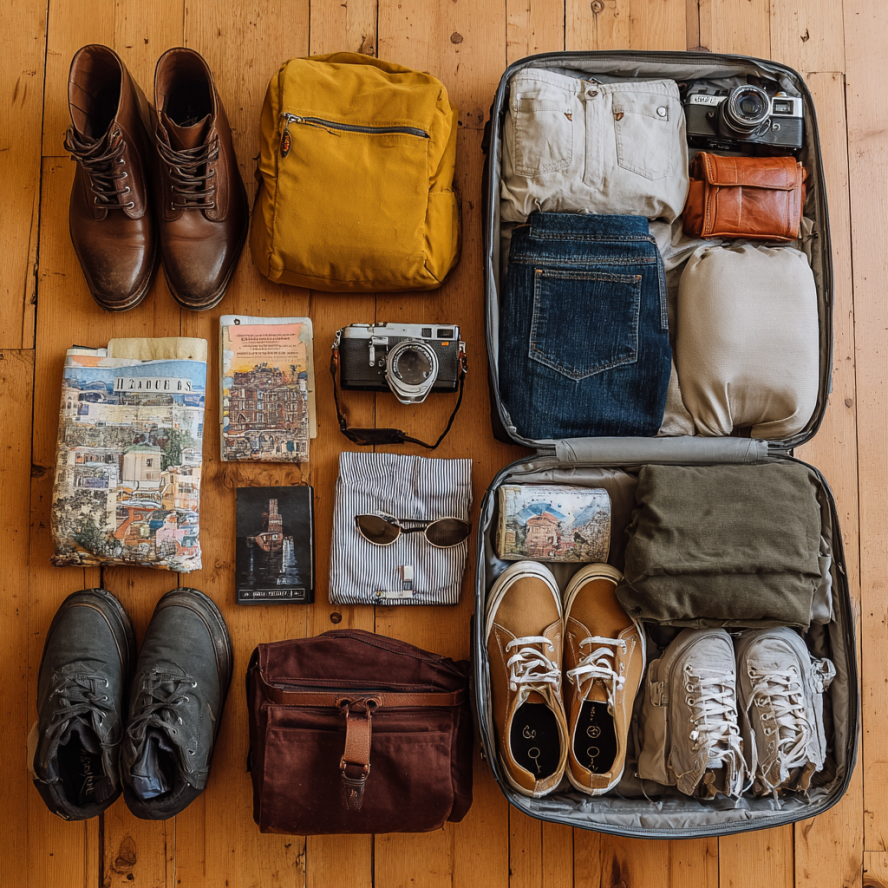
Pack smart: Layers for mountains, sunscreen for the coast, comfortable walking shoes everywhere.
Why This 10-Day Route Works
Ten days is a perfect introduction to Peru. You’ll see the modern and ancient, urban and rural, mountains and sea, all in a single trip. Markets, villages, hikes, and ruins—it’s a balanced mix of activity and reflection. It’s intense, yes, but also flexible: wander where you want, linger where you love, and leave space for surprises.
Peru isn’t just a place you visit—it’s a place you experience, stumble through, and remember. This route isn’t about racing to check off boxes. It’s about seeing, tasting, walking, listening, and breathing the country in small, meaningful bites.
Peru is messy, beautiful, chaotic, and serene—all at once. Ten days will give you just enough time to feel the rhythm, understand the layers, and leave with stories that will stick. Markets, mountains, and Machu Picchu aren’t just sights—they’re experiences, sensations, and memories.
Take it slow. Take it in. Eat everything. Talk to everyone. Hike that trail, watch that sunrise, sit in that plaza. Peru isn’t a place you rush through—it’s a place you wander into and fall in love with.
And ten days? Ten days is enough to get hooked for life.